
Which Is the Best Dental Crown to Get? A Complete Guide to Restoring Your Smile
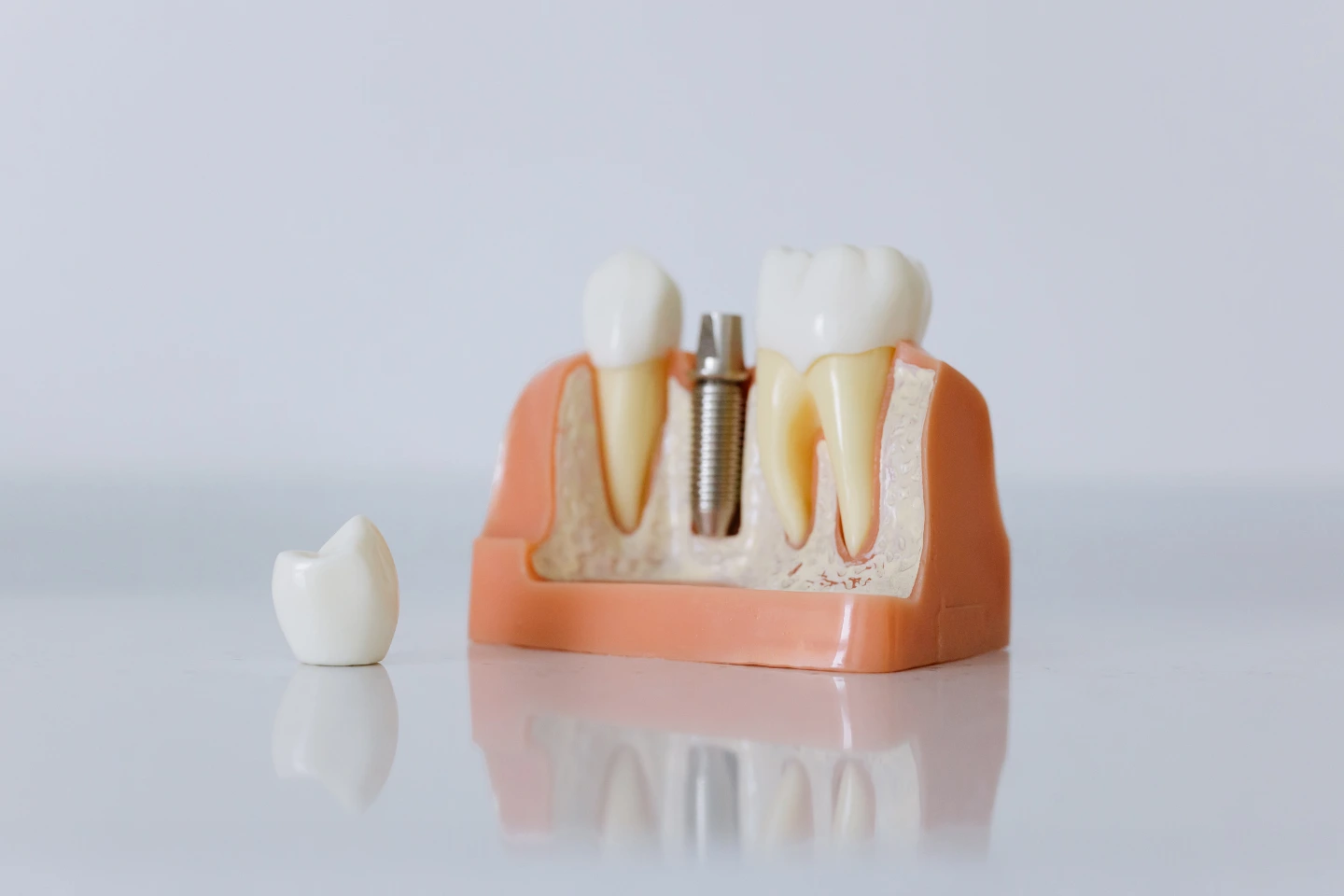
If you have a tooth that is cracked, severely decayed, or weakened after a root canal, your dentist has likely recommended a dental crown. A crown acts as a protective cap that covers the entire visible portion of your tooth, restoring its shape, size, strength, and appearance. However, walking into a dental office and realizing how many choices you have can feel completely overwhelming.
At Great Smile Dental, we believe that an informed patient is a happy, confident patient. Choosing the right material for your restorative treatment affects not only the longevity of your tooth but also your budget and your everyday peace of mind. In this complete guide, we will break down the different types of dental crowns, evaluate their pros and cons, and help you determine which option fits your unique smile perfectly.
Understanding Your Options: The Most Common Dental Crown Materials
Modern dentistry has advanced significantly, moving past the days when a dark, highly noticeable metal cap was your only option. Today, we use specialized materials tailored to different areas of the mouth, cosmetic goals, and functional demands. Let us explore the leading materials used in contemporary dental restoration.
1. Porcelain-Fused-To-Metal (PFM) Crowns
Porcelain-fused-to-metal crowns have been a reliable standard in restorative dentistry for decades. These caps feature a strong interior structure made of a durable metal alloy, which is then layered over with a customized dental porcelain exterior. This hybrid design delivers a great balance of inner strength and outer aesthetics.
PFM restorations are highly resilient and fit precisely over the prepared tooth structure. However, they carry one primary cosmetic drawback. Over time, as your gums naturally recede with age, a thin, dark grey line of the underlying metal substructure may become visible near the gumline. For this reason, many dental professionals prefer using PFM caps primarily for standard molars or premolars rather than highly visible front teeth.
2. All-Ceramic and All-Porcelain Crowns
When it comes to achieving a beautiful, natural smile, all-porcelain or all-ceramic dental crowns are the clear winners. These restorations are crafted entirely from translucent ceramic materials that mimic the light-reflecting properties of natural human tooth enamel better than any other option on the market.
Because they are completely metal-free, they eliminate the risk of a dark line showing at your gumline. They are also an excellent bio-compatible choice for patients dealing with metal allergies or sensitivities. While traditional porcelain was once considered too brittle for heavy chewing, modern formulations have vastly improved its resilience. They are ideally suited for your front teeth, ensuring your smile remains bright, seamless, and completely natural.
3. Zirconia and Solid Zirconia Crowns
Zirconia has quickly become one of the most requested materials in modern dental practices. Formed from zirconium dioxide, a highly durable type of ceramic, zirconia crowns are virtually indestructible. They can easily withstand the immense biting forces of the back molars without chipping, cracking, or wearing down over time.
Beyond their incredible structural integrity, zirconia caps can be shaded and shaped to blend smoothly with your surrounding teeth. While they are slightly less translucent than pure porcelain, advanced translucent zirconia options provide a great combination of cosmetic appeal and unmatched strength. They are an outstanding choice for patients who suffer from bruxism, which is chronic teeth grinding or clenching.
4. Gold and Metal Alloy Crowns
Gold alloys, copper, and other base metal restorations represent the ultimate option for structural longevity. Gold crowns rarely chip or break, and they require the least amount of natural tooth structure to be removed during the preparation phase. Furthermore, gold expands and contracts at a rate very similar to natural teeth, protecting the underlying tooth structure exceptionally well.
The only obvious disadvantage is their metallic color. Because they stand out visually, most patients choose gold restorations exclusively for hidden back molars where heavy chewing forces require extreme durability and aesthetics are not a major concern.
Key Factors to Consider When Choosing Your Crown
The ideal crown is never a one-size-fits-all decision. When you consult with your dental professional, several vital elements will guide your treatment plan to ensure optimal comfort and long-term success.
Tooth Location and Visibility
Where the damaged tooth sits in your mouth plays a massive role in your material selection. Your front teeth require a material that prioritizes beauty, color matching, and light translucency, making all-ceramic crowns the top selection. For back molars, which bear the brunt of your chewing pressure, strength is paramount, making zirconia or gold alloys the superior choice.
Biting and Grinding Habits
Do you wake up with a sore jaw or suffer from frequent tension headaches? Chronic teeth grinding, or bruxism, puts extreme pressure on your dental restorations. If you grind your teeth, brittle materials may chip or wear down prematurely. Opting for a solid zirconia restoration provides the necessary reinforcement to withstand heavy wear and tear while keeping your smile intact.
Long-Term Budget and Insurance Coverage
Dental crowns are a significant investment in your long-term oral health. While gold and high-grade zirconia may have a higher upfront cost, their long lifespan often translates to fewer replacements down the road, saving you money over time. Many dental insurance plans offer partial coverage for crowns if they are deemed medically necessary to restore a decayed or damaged tooth, helping lower your out-of-pocket expenses.
What to Expect During the Dental Crown Procedure
Getting a custom dental restoration is a routine, highly predictable procedure that typically requires two separate visits to your dental office.
During your first appointment, your dentist will numb the area with a local anesthetic to ensure you remain completely comfortable. The tooth will be carefully cleaned, and any underlying decay will be thoroughly removed. Next, the tooth is shaped along the top and sides to create room for the custom cap to fit seamlessly over it.
Once the tooth is prepared, digital impressions or traditional molds are taken. These exact measurements are sent directly to a professional dental laboratory where technicians craft your custom restoration. Before you leave, a temporary crown is bonded to your tooth to protect it while your permanent one is being made. A few weeks later, you return for your second visit, where the temporary cap is removed, and your beautiful, permanent crown is adjusted for a perfect bite and securely cemented into place.
Ready to Restore Your Confidence? Schedule an Appointment Today
Your smile deserves specialized, compassionate care. If you believe you need a dental crown or want to explore the best restoration options for your oral health, our friendly team is here to guide you every step of the way. Contact Great Smile Dental today to schedule your comprehensive consultation and take the first step toward a healthy, lasting smile.
Frequently Asked Questions About Dental Crowns
Q. How long do dental crowns typically last?
On average, a well-crafted dental crown lasts between ten and fifteen years. However, with excellent oral hygiene habits, routine professional cleanings, and avoiding habits like ice-chewing, premium materials like zirconia and gold can easily last for several decades.
Q. Is the dental crown procedure painful?
Not at all. Your comfort is a primary focus during the procedure. Local anesthesia is utilized to thoroughly numb the treated tooth and surrounding gums during the preparation phase. You might experience minor sensitivity or mild gum tenderness for a few days after the temporary or permanent cap is placed, but this is easily managed with over-the-counter pain relievers.
Q. Can a dental crown get a cavity?
While the artificial crown material itself cannot decay, the natural tooth structure underneath it is still vulnerable to plaque and bacteria. If oral hygiene is neglected, a cavity can form along the margin where the crown meets the gumline, potentially causing the restoration to fail. Consistent brushing and flossing are essential to protect the natural tooth structure underneath.
Q. How do I care for my new dental crown?
Caring for your restoration is simple and very similar to maintaining your natural teeth. Brush thoroughly at least twice a day with a soft-bristled toothbrush and floss daily around the crown to remove plaque buildup from the gumline. Additionally, attending your regular dental checkups ensures your dentist can monitor the integrity of the restoration over time.

Schedule Your Visit!
Get Started Today

Monday To Thursday: 9:00 a.m. to 4:00 p.m.
Friday: 9:00 a.m. to 1:00 p.m.
Saturday: 8:00 a.m. to 1:00 p.m.
Sunday: Closed


©2025 | Great Smile Dental | All Rights Reserved | Privacy Policy | Digital Marketing by Remedo | Accessibility