
What Are the Benefits of Dental Implants?
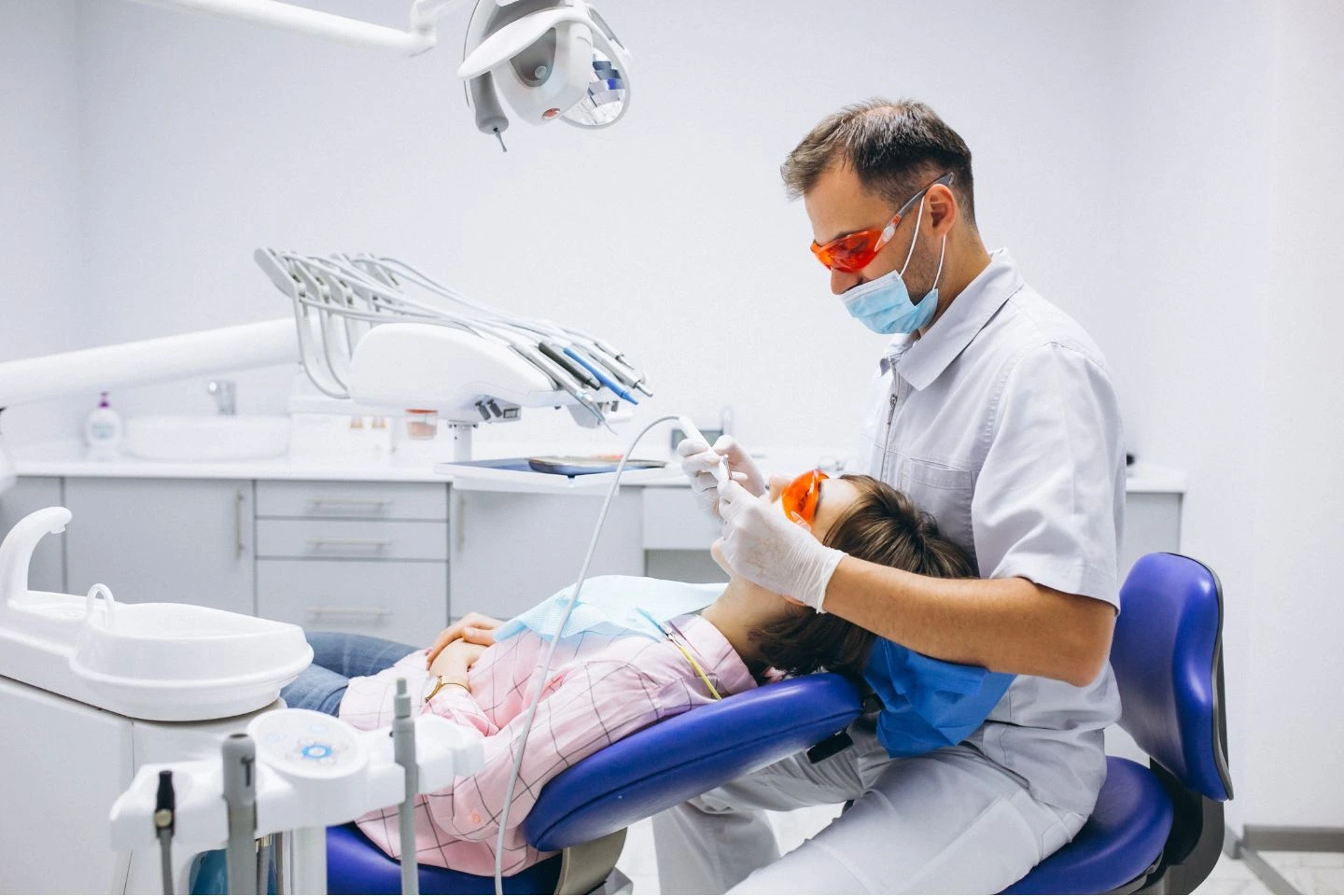
Missing teeth can affect much more than your smile. They can make it difficult to eat your favorite foods, change the way you speak, impact your confidence, and even contribute to jawbone loss over time. While there are several options available to replace missing teeth, dental implants have become one of the most trusted and long-lasting solutions in modern dentistry.
At Great Smile Dental, we believe patients deserve a tooth replacement option that looks, feels, and functions as naturally as possible. Whether you are missing one tooth, several teeth, or all of your teeth, dental implants can restore both your smile and your quality of life.
In this guide, we'll explore the many benefits of dental implants, explain why they are considered the gold standard for tooth replacement, and help you determine whether they may be the right choice for you.
Why Replacing Missing Teeth Matters
Many people believe that losing a tooth is primarily a cosmetic concern. While appearance is certainly important, untreated tooth loss can lead to several oral health issues, including:
- Difficulty chewing certain foods
- Changes in speech
- Shifting of neighboring teeth
- Increased risk of gum disease
- Loss of jawbone density
- Changes in facial appearance
Replacing missing teeth promptly helps maintain the health of your smile and prevents additional complications in the future.
What Are Dental Implants?
Dental implants are artificial tooth roots made from biocompatible titanium or other durable materials. The implant is surgically placed into the jawbone, where it gradually fuses with the bone through a process called osseointegration.
Once healing is complete, a custom dental crown, bridge, or denture is attached to the implant, creating a restoration that closely resembles a natural tooth.
A complete dental implant typically includes:
- The implant post
- The abutment
- A custom dental crown or restoration
Together, these components create a strong, stable, and natural-looking replacement.
The Top Benefits of Dental Implants
They Look Like Natural Teeth
One of the biggest advantages of dental implants is their appearance.
Each restoration is custom-designed to match the color, shape, and size of your natural teeth. Most people won't even notice you have an implant unless you tell them.
Unlike removable dentures, implants become a permanent part of your smile, allowing you to smile confidently in photos, meetings, and everyday conversations.
They Feel Comfortable
Since implants are securely anchored in your jawbone, they feel remarkably similar to natural teeth.
There is no slipping, clicking, or movement while eating or speaking. This stability allows patients to enjoy daily activities without worrying about their replacement teeth shifting out of place.
They Restore Chewing Power
Missing teeth can make eating difficult, especially when it comes to crunchy vegetables, steak, apples, or nuts.
Dental implants restore significant biting and chewing strength because they function like natural tooth roots. This means you can enjoy a wider variety of healthy foods without discomfort or limitations.
Many patients find they can return to eating foods they had avoided for years.
They Help Preserve Jawbone Health
One unique benefit of dental implants is their ability to stimulate the jawbone.
Natural tooth roots provide regular stimulation whenever you chew. After a tooth is lost, that stimulation disappears, causing the jawbone to gradually shrink.
Because dental implants replace the tooth root, they continue stimulating the bone, helping preserve bone density and reducing future bone loss.
This makes implants different from traditional bridges and dentures, which do not prevent bone deterioration.
They Help Maintain Your Facial Appearance
Bone loss doesn't just affect your oral health. It can also change the shape of your face.
Over time, missing teeth and jawbone shrinkage may cause:
- Sunken cheeks
- Wrinkles around the mouth
- A collapsed facial profile
- An older-looking appearance
Dental implants help support the facial structure by maintaining healthy jawbone volume, contributing to a fuller, more youthful appearance.
They Protect Nearby Teeth
Traditional dental bridges often require neighboring healthy teeth to be reshaped to support the restoration.
Dental implants, however, stand independently.
This means your surrounding natural teeth remain untouched, preserving more of your healthy tooth structure while reducing unnecessary stress on adjacent teeth.
They Can Last for Many Years
One reason many patients choose dental implants is their durability.
With proper brushing, flossing, routine dental visits, and good oral hygiene habits, implants can last for decades. In many cases, they may even last a lifetime.
Although the crown attached to the implant may eventually require replacement due to normal wear, the implant itself often remains securely in place for many years.
They Are Easy to Care For
Dental implants do not require complicated maintenance routines.
Simply care for them as you would your natural teeth by:
- Brushing twice daily
- Flossing every day
- Visiting your dentist regularly
- Maintaining professional dental cleanings
There is no need for special adhesives or soaking solutions commonly associated with removable dentures.
They Improve Speech
Loose dentures can sometimes shift while speaking, making pronunciation more difficult.
Because implants remain securely fixed in place, they allow for clear, natural speech without worrying about slipping or movement.
Many patients notice increased confidence during conversations, presentations, and social interactions.
They Can Improve Self-Confidence
A complete smile often has a positive impact on confidence.
Patients who receive dental implants frequently report feeling more comfortable:
- Smiling in photographs
- Meeting new people
- Speaking at work
- Dining in public
- Laughing without hesitation
Restoring missing teeth often improves both appearance and everyday quality of life.
Who Is a Good Candidate for Dental Implants?
Many adults with missing teeth may qualify for dental implant treatment.
You may be a good candidate if you:
- Have one or more missing teeth
- Have healthy gums
- Have sufficient jawbone to support the implant
- Practice good oral hygiene
- Are committed to regular dental care
Even if you've experienced some bone loss, additional procedures such as bone grafting may help prepare your jaw for successful implant placement.
A comprehensive dental examination and imaging will determine the most appropriate treatment plan.
Dental Implants Compared to Other Tooth Replacement Options
Dental Implants vs. Dentures
Dentures remain an effective solution for many patients, but they have certain limitations.
Dental implants offer:
- Greater stability
- Better chewing ability
- Improved comfort
- Bone preservation
- No slipping during meals or conversations
Implant-supported dentures also provide additional security compared to traditional removable dentures.
Dental Implants vs. Dental Bridges
Dental bridges replace missing teeth by attaching to neighboring teeth.
Dental implants provide several advantages:
- They preserve adjacent healthy teeth.
- They help prevent jawbone loss.
- They function independently.
- They often have a longer lifespan.
Your dentist can help determine which option best fits your individual needs.
The Dental Implant Process
Understanding the treatment process can help you feel more comfortable before beginning care.
Initial Consultation
Your dentist evaluates your oral health, reviews your medical history, and takes digital imaging to assess bone quality.
Treatment Planning
A customized treatment plan is developed based on your smile goals and oral health needs.
Implant Placement
The dental implant is carefully placed into the jawbone under local anesthesia or appropriate sedation.
Healing Period
Over several months, the implant naturally fuses with the jawbone.
Final Restoration
Once healing is complete, your custom crown, bridge, or denture is securely attached to the implant, completing your new smile.
How to Maximize the Lifespan of Your Dental Implants
Although implants are extremely durable, proper care remains important.
To protect your investment:
- Brush twice each day.
- Floss carefully around the implant.
- Avoid tobacco products whenever possible.
- Wear a nightguard if you grind your teeth.
- Schedule routine dental checkups and professional cleanings.
- Address any dental concerns promptly.
Consistent preventive care helps keep both your implants and natural teeth healthy.
Why Choose Great Smile Dental for Dental Implants?
Choosing the right dental team is just as important as choosing the right treatment.
At Great Smile Dental, we focus on providing personalized care from your initial consultation through your final restoration. Every smile is unique, which is why we take the time to understand your goals, evaluate your oral health, and recommend treatment options that fit your individual needs.
Whether you need a single dental implant or a more comprehensive tooth replacement solution, our team is committed to helping you achieve a healthy, functional, and confident smile.
Restore Your Smile with Dental Implants at Great Smile Dental
If you're ready to replace missing teeth with a durable, natural-looking solution, Great Smile Dental is here to help. Our experienced team provides personalized dental implant treatment, guiding you through every step of the process with compassion and attention to detail. Schedule a consultation today to learn whether dental implants are the right option for restoring your smile, improving your oral health, and helping you enjoy life with renewed confidence.
Frequently Asked Questions
Are dental implants painful?
Most patients report minimal discomfort during the procedure. Local anesthesia helps ensure comfort, and any post-procedure soreness can usually be managed with prescribed or over-the-counter medications as recommended by your dentist.
How long do dental implants last?
With excellent oral hygiene and regular dental visits, dental implants can last for decades. Many patients enjoy their implants for a lifetime.
Can smokers get dental implants?
Smoking may reduce healing and increase the risk of implant complications. However, many smokers are still candidates for treatment. Your dentist will evaluate your oral health and discuss ways to improve treatment success.
How long does the dental implant process take?
Treatment time varies depending on each patient's needs. While implant placement is often completed in a single visit, the full process, including healing and final restoration, may take several months.
Can dental implants replace multiple missing teeth?
Yes. Dental implants can replace one tooth, several teeth using implant-supported bridges, or even a full arch with implant-supported dentures.

Schedule Your Visit!
Get Started Today

Monday To Thursday: 9:00 a.m. to 4:00 p.m.
Friday: 9:00 a.m. to 1:00 p.m.
Saturday: 8:00 a.m. to 1:00 p.m.
Sunday: Closed


©2025 | Great Smile Dental | All Rights Reserved | Privacy Policy | Digital Marketing by Remedo | Accessibility